
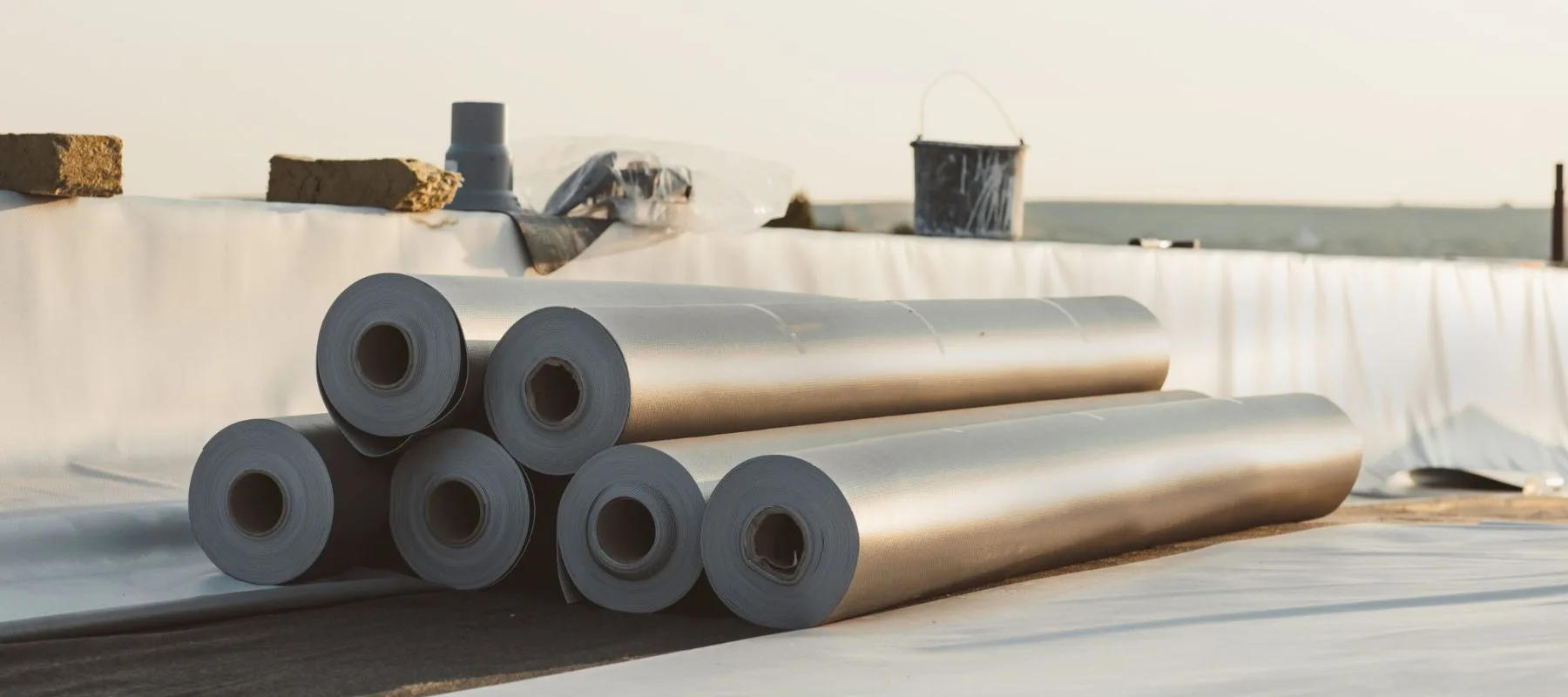
Commercial Roof Protection With PVC Roofing In San Antonio
Is PVC Roofing The Best Option For High-Demand Commercial Roofs In Texas?
Yes, PVC (polyvinyl chloride) roofing is commonly used on commercial roofs where grease, chemicals or moisture may be present. Restaurants, manufacturing facilities and similar environments often choose PVC membranes because the material is designed to tolerate these conditions. A professional inspection from Alamo Roofing can help determine whether PVC roofing is the right solution for your commercial roof.
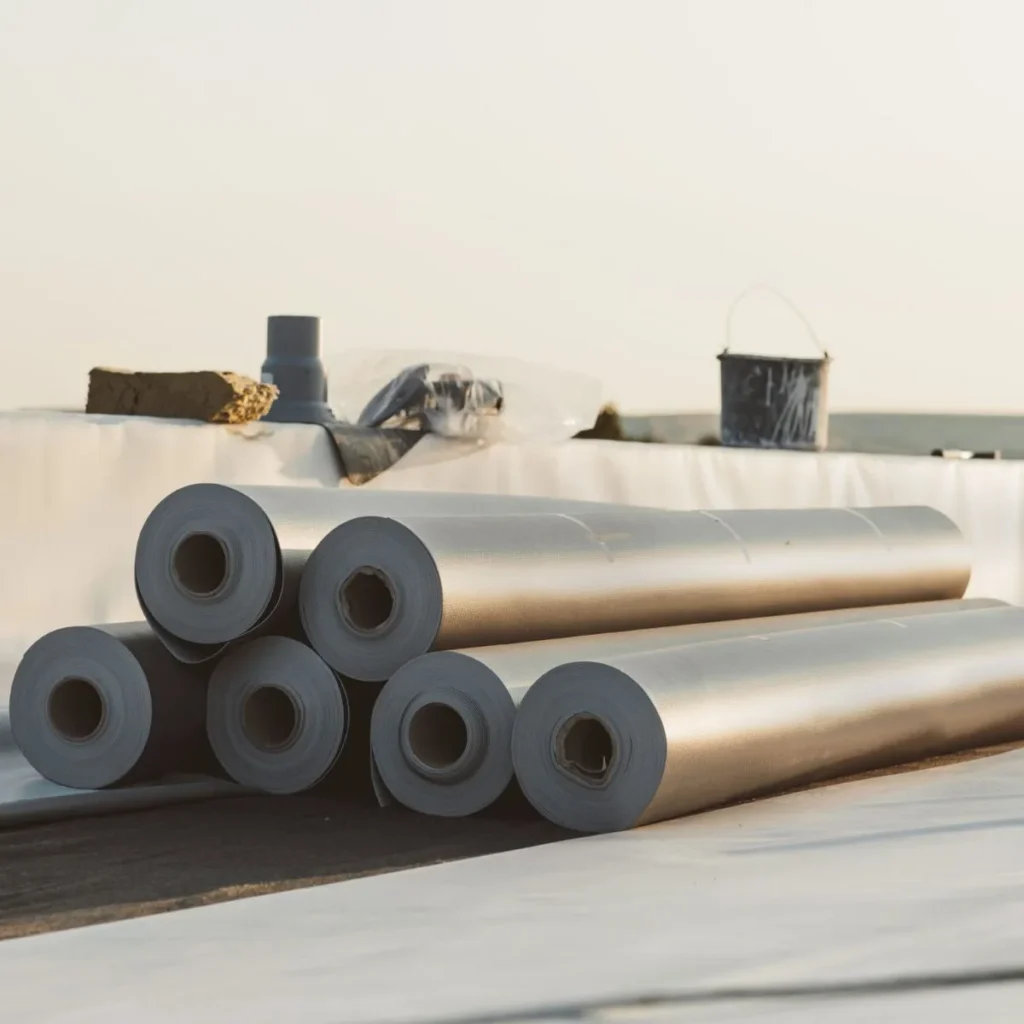
When PVC Roofing Is A Smart Choice for San Antonio Commercial Roofs
Some commercial buildings operate in environments where rooftop conditions are more demanding than those found on typical office or retail properties. Restaurants, manufacturing facilities and industrial buildings may expose roofing systems to grease runoff, chemical residue or increased moisture.
When these conditions are present, property owners often evaluate roofing systems designed to withstand those exposures. PVC roofing membranes are commonly considered in these situations because the material is resistant to contaminants that can affect other roofing systems.
For commercial structures with more aggressive rooftop exposure, PVC roofing offers a practical option for maintaining dependable roof protection.
Commercial Buildings In San Antonio That Often Use PVC Roofing
PVC roofing is frequently installed on commercial buildings where rooftop conditions may place additional stress on roofing materials. Certain facilities generate grease, chemical discharge or other residues that can affect roof surfaces over time.
Property owners and facility managers in San Antonio often consider PVC roofing when evaluating roof systems for buildings such as:
- Restaurants and food service facilities
- Manufacturing and industrial buildings
- Commercial kitchens and food production facilities
- Warehouses with rooftop mechanical equipment
- Processing plants where chemical discharge may occur
Because these environments can expose roofing systems to more aggressive rooftop conditions, PVC membranes are often evaluated as part of the roofing decision process.
How PVC Roofing Membranes Are Installed On Commercial Roofs
PVC roofing systems are installed as single-ply membranes designed to create a continuous protective barrier across the roof surface.
During installation, roofing professionals prepare the roof deck and insulation layers before positioning the PVC membrane across the structure. The membrane sheets are then secured according to the building’s roof design and layout.
One important feature of PVC roofing systems is the use of heat-welded seams. This process fuses the membrane sheets together, helping create a watertight connection across the roofing surface. Proper seam welding and flashing installation are critical steps in maintaining the roof’s ability to resist moisture intrusion and protect the structure beneath it.
Maintaining PVC Roofing Systems On Commercial Buildings
Like most commercial roofing systems, PVC roofs benefit from periodic inspections and routine maintenance. Monitoring the roof helps identify small issues before they develop into larger problems that could affect the building.
Inspections typically focus on membrane seams, flashing components and drainage areas. Addressing maintenance needs early helps preserve the performance of the roofing assembly and maintain reliable protection for the building.
Maintenance needs may vary depending on roof design, rooftop traffic and exposure to environmental conditions.
Frequently Asked Questions About PVC Roofing
The lifespan of a PVC roof can vary depending on installation quality, building conditions and ongoing maintenance. Regular inspections and routine upkeep help preserve the roofing membrane and support long-term roof performance.
PVC roofing is commonly installed on flat and low-slope commercial roofs. The membrane system is designed to create a continuous waterproof barrier across the roof surface when installed properly.
Choosing the right roofing system depends on several factors, including roof design, building use and environmental exposure. A professional inspection can help evaluate the current roof and determine whether PVC roofing is an appropriate option.
Project timelines vary depending on roof size, building access and the condition of the existing roof system. During a commercial roof inspection, a roofing professional can review the project scope and provide a clearer timeline.
Schedule a Complimentary PVC Roofing Inspection In San Antonio
If your commercial building operates in an environment where roofs may be exposed to grease, chemicals or heavy rooftop use, evaluating the condition of the current roof can help you determine the best path forward.
Schedule a complimentary inspection with Alamo Roofing to review your commercial roof and discuss roofing options for your property in San Antonio or surrounding communities.
More Commercial Roofing

Thermal Drone Roof Inspection

Roof Inspection

Roof Replacement

Metal Roofing

TPO

BUR

Roof Repair

Roof Coating