
TPO Roofing Solutions For Flat Commercial Roofs In San Antonio
Why Is TPO Roofing A Preferred Choice For Flat Commercial Roofs In Texas?
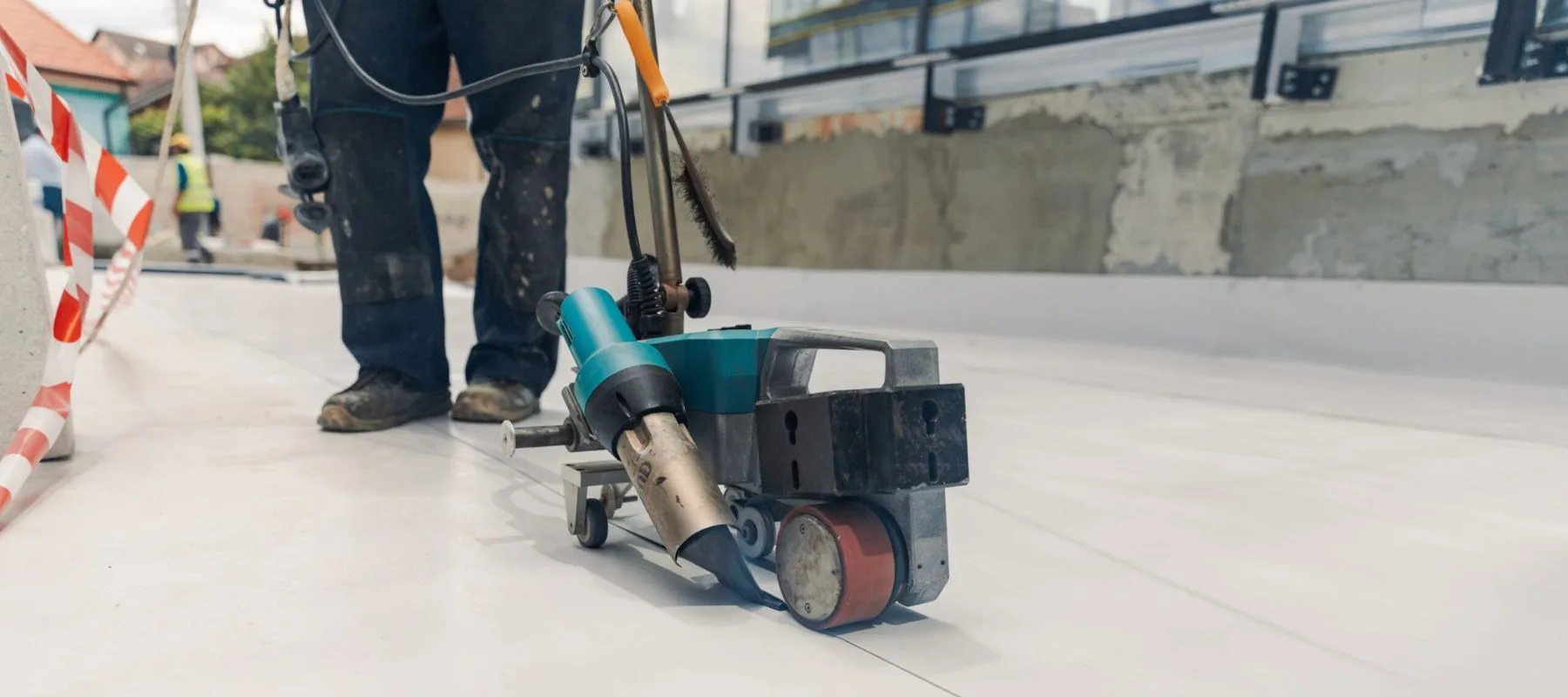
TPO (thermoplastic polyolefin) roofing is a top-tier choice for San Antonio commercial properties because its single-ply membrane provides a durable, heat-reflective barrier. Alamo Roofing installs these high-performance systems to protect flat and low-slope structures, ensuring long-term weather resistance through a precise, professional installation process tailored to the Central Texas climate.
How TPO Roofing Supports Energy Efficiency In Commercial Buildings
Many commercial properties look for roofing systems that help manage heat exposure and maintain consistent building performance. TPO roofing has become a common option for flat commercial roofs because the membrane is designed with reflective properties that help limit heat absorption on the roof surface.
Commercial roofing systems in San Antonio must perform reliably under intense sun, heat and seasonal storms. TPO roofing is often selected for flat commercial roofs because the membrane is designed to handle these demanding conditions.
TPO systems can help limit heat buildup on the roof surface while protecting the building structure beneath the roof assembly.
Why TPO Roofing Works Well For Flat Commercial Roofs
Many commercial buildings use low-slope roof designs that require materials capable of protecting large roof surfaces and managing drainage. TPO membranes are commonly used because they create a continuous waterproof barrier across the roof surface.
The material is flexible enough to accommodate the movement that can occur on commercial structures over time. When installed correctly, the membrane helps protect the roof from moisture intrusion while maintaining consistent coverage across the entire roof area.
Because many commercial buildings use flat roofs, TPO has become one of the most widely installed membrane systems for these structures.
Key Installation Considerations For TPO Roofing Systems
Installing a TPO roofing system requires careful preparation and proper assembly of several roofing components. The system typically includes insulation layers, membrane attachment methods and sealed seams designed to protect the roof structure.
During installation, roofing professionals evaluate the existing roof surface and prepare the structure before installing the membrane. The TPO sheets are then positioned and secured according to the building’s design and roofing layout.
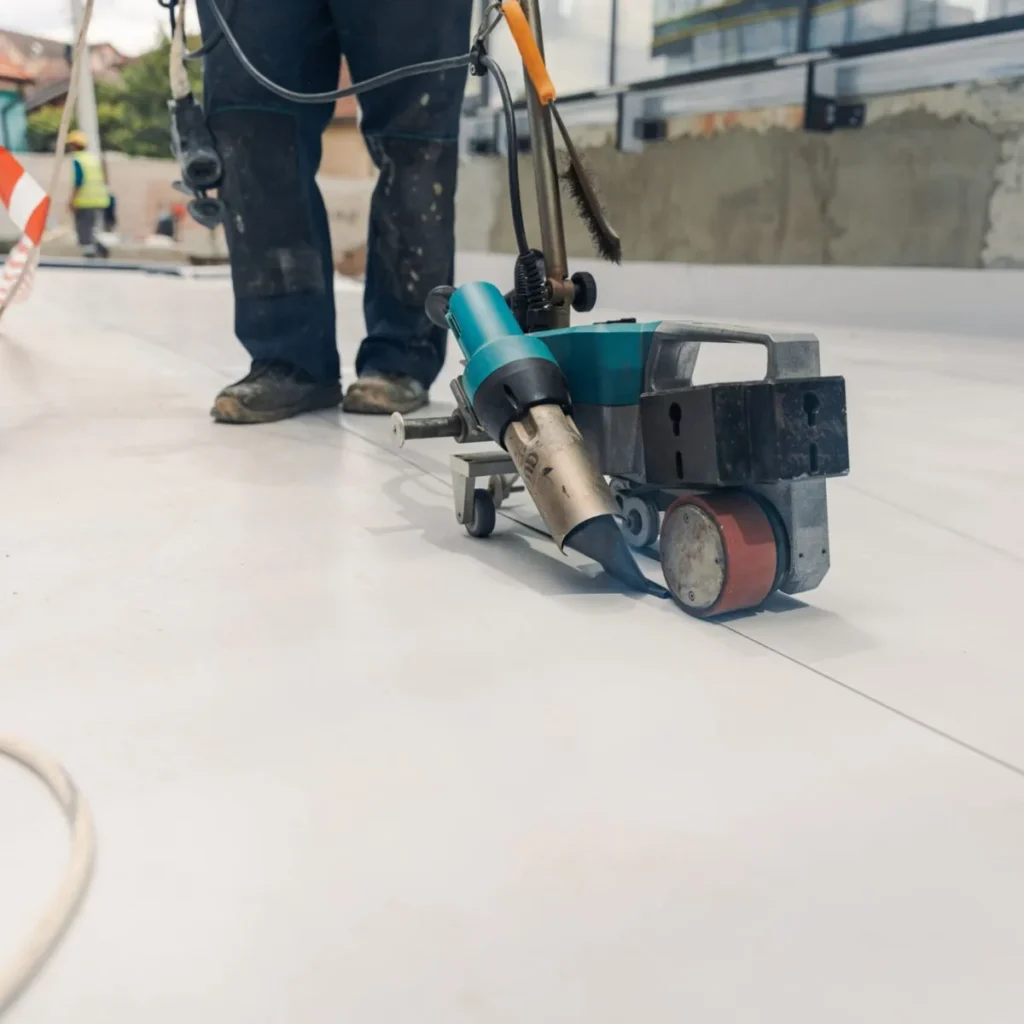
Proper seam sealing and flashing installation help ensure the membrane forms a continuous protective layer across the roof. These steps are critical to maintaining the system’s ability to resist moisture and weather exposure over time.
Lifespan And Maintenance Of Commercial TPO Roofing
Property owners often consider expected service life when selecting a roofing system. TPO roofing membranes are designed to provide reliable performance on commercial buildings when properly installed and maintained.
Routine roof inspections help identify potential issues such as seam wear, flashing concerns or debris buildup. Addressing small maintenance items early helps preserve the roof and maintain consistent protection for the building.
Maintenance needs may vary depending on roof design, drainage conditions and environmental exposure.
Frequently Asked Questions About TPO
The lifespan of a TPO roof can vary depending on installation quality, building design and maintenance practices. Regular inspections help extend the service life of the roofing system.
TPO roofing is commonly used on large commercial roofs because the membrane can cover wide roof surfaces while creating a continuous waterproof layer.
In some cases, TPO roofing may be installed over an existing roof structure, depending on the condition of the current system and the building’s structural requirements. A professional inspection helps determine whether this approach is appropriate.
Evaluate TPO Roofing For Your Commercial Property
If your commercial property has a low-slope roofing system, a professional inspection can help identify the current condition and available options for protecting the structure.
Schedule a complimentary inspection with Alamo Roofing to review your roof and discuss the best approach for your commercial property.
More Commercial Roofing
Thermal Drone Roof Inspection

Roof Inspection

Roof Replacement

Metal Roofing
BUR

PVC
Roof Repair
Roof Coating